

Ribociclib (Kisqali) 200mg*21's/14's | Novartis Switzerland | GLT
For individuals and institutions — pricing, availability, and product documents (COA) provided within 24 hours.
Direct line: [email protected] · +86 15234153837
Generic Information: Kisqali (Switzerland)
Kisqali is Novartis's originator brand of ribociclib, first developed at the company's headquarters in Switzerland. This international presentation is available in two pack sizes — 21 tablets and 14 tablets — each containing 200 mg of ribociclib. Ribociclib is a CDK4/6 inhibitor used in combination with endocrine therapy for hormone-receptor-positive, HER2-negative breast cancer, and Kisqali is the reference brand available in the United States, Europe and many other markets worldwide.
What Is Ribociclib (Kisqali) Used For?
Ribociclib treats HR-positive, HER2-negative breast cancer. In advanced or metastatic disease it is combined with an aromatase inhibitor as first-line endocrine therapy, or with fulvestrant either as initial therapy or after progression on endocrine therapy. It is also approved as adjuvant treatment for adults with HR-positive, HER2-negative stage II and III early breast cancer at high risk of recurrence. The drug is always used alongside hormone therapy, never as a monotherapy.
How Does Ribociclib Work?
Ribociclib selectively inhibits cyclin-dependent kinases 4 and 6, the enzymes that govern the G1-to-S checkpoint of the cell cycle. In HR-positive breast cancer, oestrogen-driven growth signals converge on CDK4/6, which pushes tumour cells to keep dividing. By blocking these kinases, ribociclib halts cancer cells at the checkpoint and slows proliferation, while the accompanying aromatase inhibitor or fulvestrant cuts off the hormonal growth signals from the other direction.
Indications
The approved indications are HR-positive, HER2-negative advanced or metastatic breast cancer in combination with an aromatase inhibitor or fulvestrant, and HR-positive, HER2-negative stage II/III early breast cancer at high risk of recurrence as adjuvant therapy. An oncologist should initiate and supervise treatment, and hormone-receptor and HER2 status must be confirmed by a validated test.
Dosage
For advanced or metastatic disease the recommended starting dose is 600 mg (three 200 mg tablets) once daily, with or without food, in 28-day cycles of 21 days on and 7 days off. A 21-tablet pack covers one week of this regimen, while a 14-tablet pack is a convenient shorter supply. For early breast cancer the starting dose is 400 mg (two tablets) daily. Doses are reduced to 400 mg or 200 mg daily if neutropenia, liver-enzyme rises or QT prolongation occur.
Side Effects
Common side effects include neutropenia, nausea, fatigue, diarrhoea, vomiting, hair loss, headache and constipation. More serious adverse events can include QT-interval prolongation, liver toxicity, interstitial lung disease and severe skin reactions. Regular monitoring of blood counts, liver function, electrolytes and the ECG is required, and patients should promptly report fever, persistent diarrhoea, yellowing of the skin or new shortness of breath.
Storage
Store Kisqali tablets at room temperature in the original container, away from moisture, and out of the reach of children. Do not use beyond the expiry date printed on the pack.
Why Choose Kisqali Through GLT?
For institutions and overseas patients who specifically want the Novartis originator product, GLT can source genuine Kisqali from multiple markets. The availability of both 21- and 14-tablet packs also allows flexible ordering to match a patient's treatment schedule. We ship worldwide from a Hong Kong-licensed facility with transparent documentation.
How to Order
To order Kisqali (ribociclib) from GLT, contact us on WhatsApp at +86 15234153837 or by email at [email protected]. We will confirm current availability, pricing and delivery to your country, and we ship from a Hong Kong-licensed facility.
FAQ
What is the difference between the 21- and 14-tablet packs? Both contain the same 200 mg tablets; the 21-tablet pack covers one week at the standard 600 mg daily dose, while the 14-tablet pack is a shorter supply.
What is the dosing schedule? 600 mg (three tablets) once daily for 21 days, then a 7-day break, repeated every 28 days.
Is Kisqali taken alone? No — it is always combined with an aromatase inhibitor or fulvestrant.
Related Oncology Products
بارينيب (باريسيتينيب) 2ملغ | مثبط JAK1/JAK2 جنيس | دراغ إنترناشيونال المحدودة | GLT
تيكسيبا (تيرزيباتيد) 20ملغ/2مل و30ملغ/2مل قلم متعدد الجرعات | دراغ إنترناشيونال | GLT
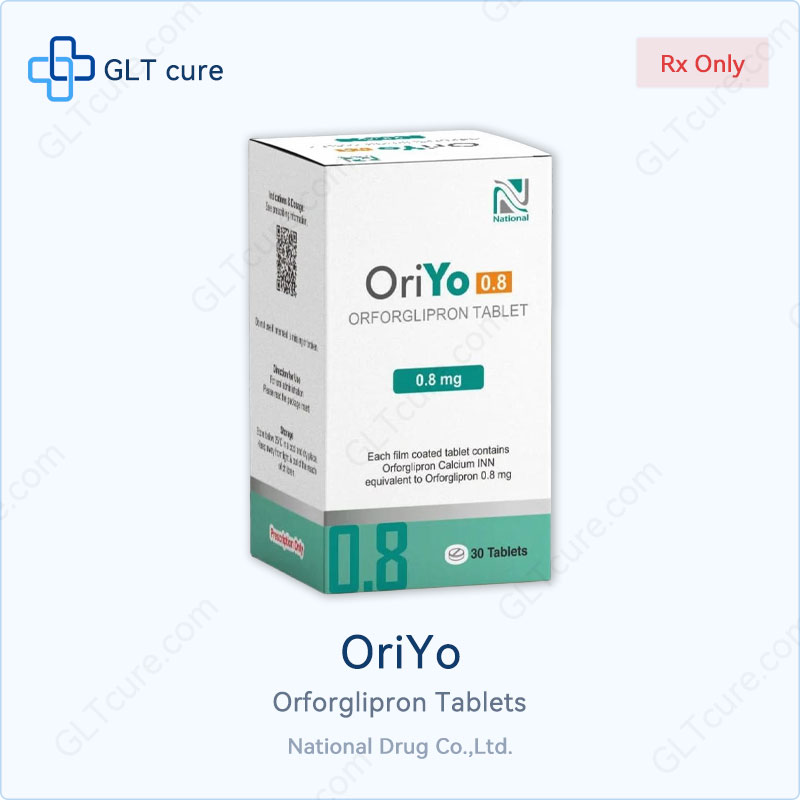
أورفورغليبرون (OriYo) أقراص 0.8–17.2 ملغ | دواء جينيريك بنغلاديشي فموي GLP-1 | GLT
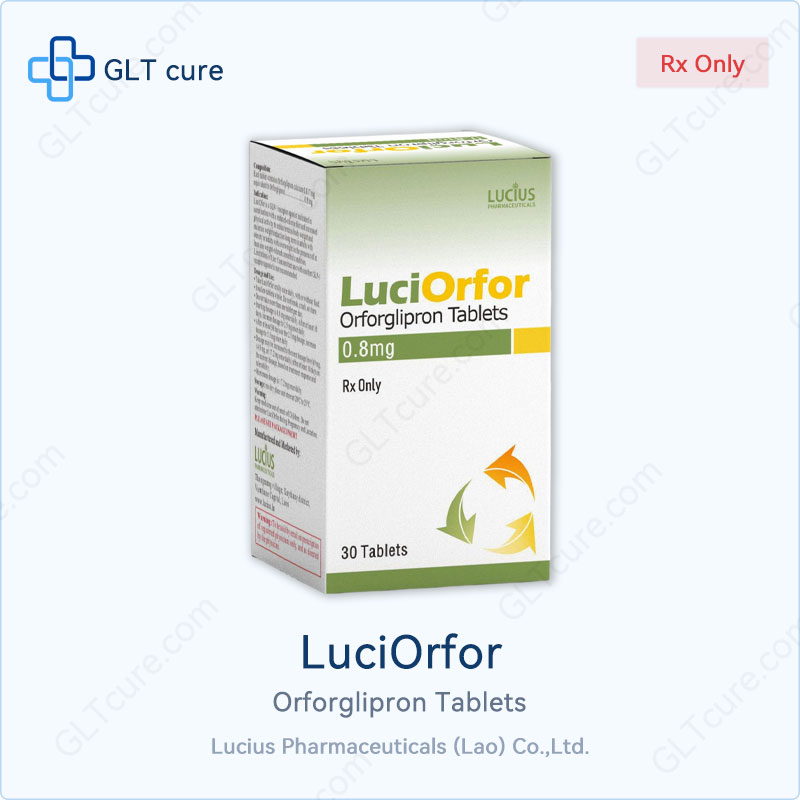
أورفورغليبرون (لوسيورفور) أقراص 0.8–17.2 ملغ | دواء جينيريك لاوسي فموي GLP-1 | GLT
بارينات (باريسيتينيب) 4ملغ | مثبط JAK1/JAK2 جنيس | ناتكو فارما المحدودة | GLT

KangQuXin 康曲欣 (أفاترومبوباغ) 20 ملغ × 10 أقراص | Beijing Continent (Gyre) | GLT
أولوميانت (باريسيتينيب) أقراص 2ملغ/4ملغ | مثبط JAK1/JAK2 | إيلي ليلي (الولايات المتحدة) | GLT