

Zepbound (Tirzepatide) 2.5–15mg/0.5mL Single-Dose Pen | Eli Lilly USA | GLT
For individuals and institutions — pricing, availability, and product documents (COA) provided within 24 hours.
Direct line: [email protected] · +86 15234153837
Generic Information: Zepbound (Tirzepatide) — Single-Dose Pens, Eli Lilly, USA
Zepbound is the obesity-branded tirzepatide of Eli Lilly and Company, sold in the United States as single-dose prefilled pens. Its six strengths — 2.5 mg, 5 mg, 7.5 mg, 10 mg, 12.5 mg and 15 mg, each in 0.5 mL — are the originator's single-dose ladder, one pen per weekly injection. This is the presentation to reach for when the indication is weight loss rather than diabetes: the molecule is identical to Mounjaro's, but the Zepbound label is written specifically for chronic weight management and, more recently, for obstructive sleep apnea in adults with obesity. Each carton contains four single-dose pens, a month of once-weekly therapy.
What Is Zepbound (Tirzepatide) Used For?
The US Zepbound label has two indications. The first is chronic weight management in adults who are obese (BMI 30 kg/m² or greater) or overweight (BMI 27 kg/m² or greater) with at least one weight-related condition such as hypertension, type 2 diabetes, dyslipidemia or obstructive sleep apnea, as an adjunct to reduced-calorie diet and increased physical activity. The second, added later, is moderate-to-severe obstructive sleep apnea in adults with obesity. It is not indicated for type 1 diabetes and is not a first-line diabetes drug despite sharing its molecule with Mounjaro.
How Does Zepbound (Tirzepatide) Work?
Tirzepatide activates both the GIP and GLP-1 receptors, the two incretin pathways that together govern insulin secretion, glucagon, gastric emptying and appetite. The appetite and satiety effects, combined with slower stomach emptying, are what drive the weight reduction seen in the SURMOUNT program — mean losses measured in double-digit percentages of body weight at the higher doses over roughly a year. As a peptide, it is injected once weekly rather than swallowed, and its effect depends on the body's own glucose, so it does not stack insulin on a fasting state.
Indications of Zepbound (US Label)
Chronic weight management in obesity or overweight with a comorbidity is the core indication, with the obstructive sleep apnea addition expanding the label into a condition that frequently travels with obesity. The prescribing boundaries are the class boundaries: contraindicated with a personal or family history of medullary thyroid carcinoma or MEN 2, not studied in pancreatitis, and not for type 1 diabetes. Weight regain on stopping is expected, which is why the label frames treatment as ongoing alongside diet and activity.
Dosage and Administration
Zepbound is injected subcutaneously once weekly in the abdomen, thigh or upper arm, at any time of day and with or without food, rotating sites each week. The weight-management schedule starts at 2.5 mg weekly for four weeks, then 5 mg weekly; the dose then rises in 2.5 mg increments after at least four weeks on each step, to a maintenance range of 5, 10 or 15 mg weekly and a 15 mg maximum. Each pen is single-dose and discarded after one use; a missed dose within four days is taken promptly, otherwise skipped, keeping at least three days between injections.
Side Effects of Zepbound
The common reactions are gastrointestinal — nausea, diarrhea, vomiting, constipation, abdominal pain and decreased appetite — concentrated during dose escalation and generally easing with time. The boxed warning is the thyroid C-cell tumor finding in rodents, with MTC and MEN 2 contraindicated. Pancreatitis, gallbladder disease and gallstones, hypoglycemia in patients also taking insulin or sulfonylureas, and hypersensitivity reactions round out the serious cautions, and patients who develop severe gastrointestinal symptoms with renal impairment should have kidney function monitored.
Storage Instructions
Refrigerate unopened pens at 2°C to 8°C in the original carton, protected from light, and do not freeze. Pens may be held at room temperature up to 30°C for up to 21 days before use. Single-dose pens are used once and discarded, so there is no extended in-use window to track; keep the carton out of children's reach and check the expiry before injecting.
Why Choose Zepbound from GLT?
Zepbound is the originator obesity presentation for buyers who want Lilly's single-dose pens with US labeling and the full six-strength titration ladder. GLT supplies sealed US stock with batch traceability, photographs each carton before dispatch, and quotes Zepbound against Mounjaro and the Bangladesh generics so the monthly weight-management cost is transparent. Orders and questions go through WhatsApp +86 15234153837 or [email protected], with a real person handling every step from quotation to delivery.
How to Order Zepbound (Tirzepatide)
Send the strength, the number of four-pen cartons and the destination country to WhatsApp +86 15234153837 or [email protected]. GLT returns a formal quotation with courier and payment options — typically within one working day — and ships cold-chain with complete export documentation on confirmation. Standing monthly orders keep a continuous weekly course running without interruption.
FAQ
Is Zepbound the same drug as Mounjaro? Same active ingredient, tirzepatide, from the same maker — but Zepbound carries the obesity and sleep-apnea indications, while Mounjaro is labeled for type 2 diabetes.
How much weight can be expected? In the SURMOUNT trials, participants lost on the order of 15 to 20 percent of body weight on average at the higher doses over about a year, with results tied to dose, diet and activity.
Do I need a specific BMI to qualify? The label is for BMI 30 or higher, or 27 or higher with a weight-related condition — a clinician confirms eligibility rather than the patient self-selecting.
Is the 15 mg pen a 15 mg injection? Yes — unlike the multi-dose KwikPen, each Zepbound single-dose pen delivers its full labeled strength (2.5 to 15 mg) in one 0.5 mL injection.
What happens if treatment stops? Weight tends to return when the drug is discontinued, which is why the label treats it as ongoing therapy paired with lasting diet and activity changes.
Related Oncology Products
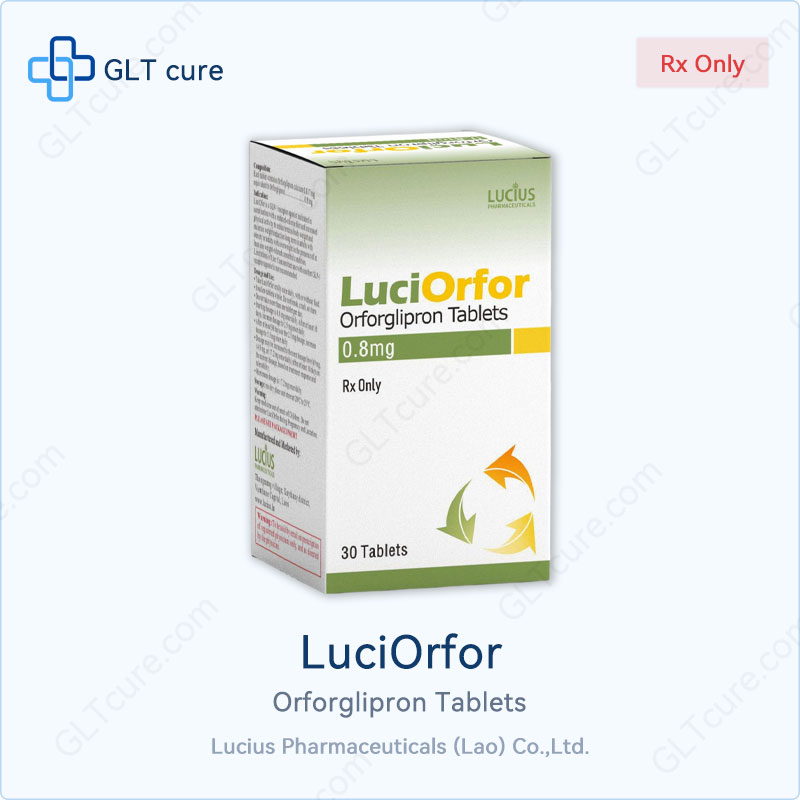
Orforglipron (LuciOrfor) 0.8–17.2mg Tablets | Laos Generic Oral GLP-1 | GLT
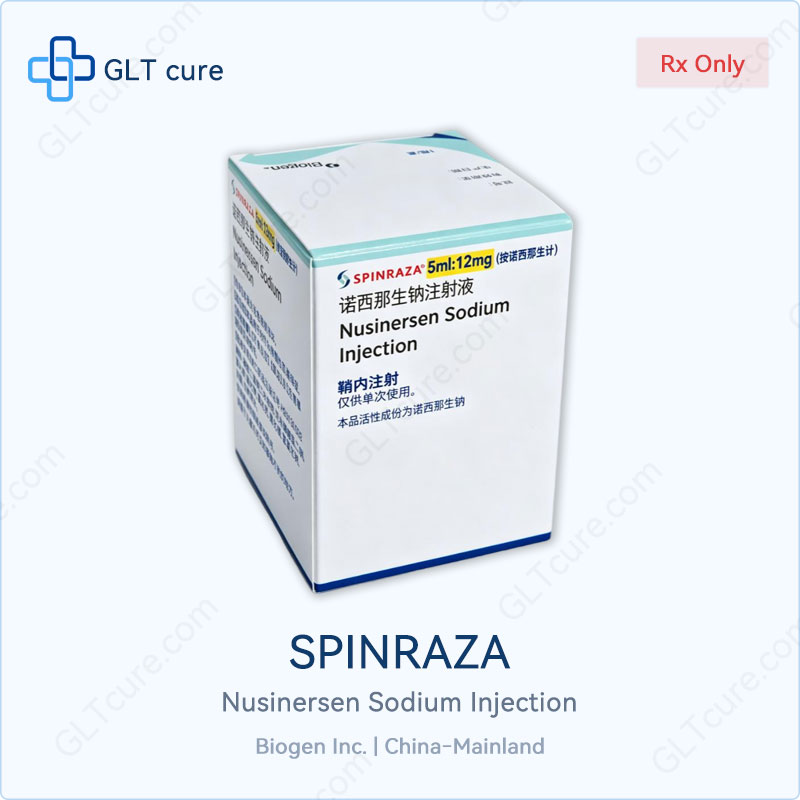
SPINRAZA (Nusinersen) 12mg/5mL | Buy from China | SMA Therapy | GLT
Barinib (Baricitinib) 2mg | Generic JAK1/JAK2 Inhibitor | Drug International Limited | GLT
Olumiant (Baricitinib) 2mg/4mg Tablets | JAK1/JAK2 Inhibitor | Eli Lilly USA | GLT
Baricent (Baricitinib) 2mg | Generic JAK1/JAK2 Inhibitor | Incepta Pharmaceuticals Ltd. | GLT
Tixepa (Tirzepatide) 20mg/2mL & 30mg/2mL Multi-Dose Pen | Drug International | GLT
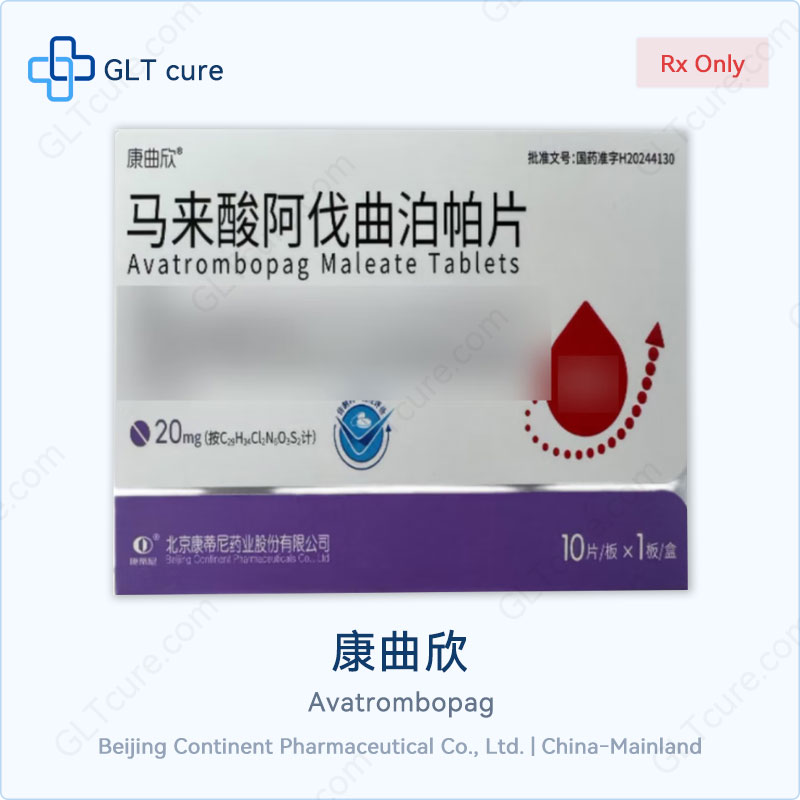
KangQuXin 康曲欣 (Avatrombopag) 20mg*10 Tablets | Beijing Continent Gyre | GLT