
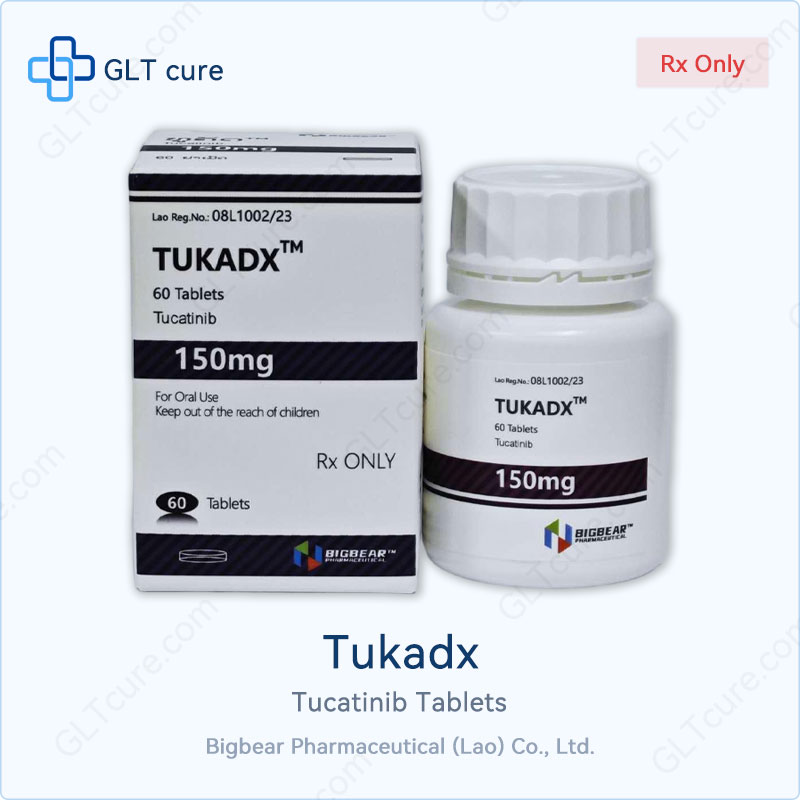
Tucatinib (Tukadx) 150mg — HER2-Positive Breast Cancer | GLT
For individuals and institutions — pricing, availability, and product documents (COA) provided within 24 hours.
Direct line: [email protected] · +86 15234153837
Generic Info
Tucatinib is an oral, highly selective tyrosine kinase inhibitor (TKI) that targets the human epidermal growth factor receptor 2 (HER2). This product is marketed as Tukadx and manufactured by Bigbear Pharmaceutical (Lao) Co., Ltd.. Tucatinib was first approved by the U.S. FDA in April 2020 for the treatment of HER2-positive metastatic breast cancer, and its indication was later expanded to HER2-positive colorectal cancer. Tukadx is a generic version of tucatinib offered at a more accessible price.
What Is Tucatinib Used For?
Tucatinib is used to treat adults with HER2-positive metastatic breast cancer that has spread to other parts of the body (including the brain) or cannot be removed by surgery, after at least one prior anti-HER2-based treatment. It is also approved for RAS wild-type, HER2-positive metastatic colorectal cancer in combination with trastuzumab. Tucatinib is always given together with other anti-HER2 medicines, never as a monotherapy.
How Does Tucatinib Work?
In HER2-positive cancers, the HER2 protein is overexpressed and drives uncontrolled tumor cell growth. Tucatinib binds the HER2 receptor and blocks phosphorylation of HER2 and HER3, which shuts down the downstream MAPK and AKT signaling pathways and inhibits tumor cell proliferation. Because it is a small molecule, tucatinib crosses the blood-brain barrier, making it effective against brain metastases — a key advantage over antibody-based HER2 therapies.
Indications
- HER2-positive advanced unresectable or metastatic breast cancer (with trastuzumab and capecitabine)
- HER2-positive metastatic breast cancer with brain metastases
- RAS wild-type, HER2-positive metastatic colorectal cancer (with trastuzumab)
Dosage
The recommended dose of tucatinib is 300 mg orally twice daily (600 mg total per day), taken with or without food, approximately 12 hours apart, together with trastuzumab and capecitabine, until disease progression or unacceptable toxicity. Tablets should be swallowed whole. Dose reductions (to 250 mg or 200 mg twice daily) may be required for adverse reactions. For patients with severe hepatic impairment, the recommended dose is 200 mg twice daily.
Side Effects
The most common side effects of tucatinib include:
- Diarrhea (can be severe — may require dose modification)
- Palmar-plantar erythrodysesthesia (hand-foot syndrome)
- Nausea and vomiting
- Stomatitis (mouth sores)
- Fatigue
- Decreased appetite
- Anemia and elevated liver function tests
Serious side effects include severe diarrhea (with risk of dehydration and kidney injury) and hepatotoxicity. Liver function should be monitored before starting treatment and every 3 weeks during therapy.
Storage
Store tucatinib tablets at room temperature (20°C to 25°C / 68°F to 77°F). Keep in the original container, tightly closed, and out of reach of children. Do not use after the expiration date printed on the package.
Why Choose the GLT?
GIVE LIFE TIME LIMITED (GLT) sources genuine, manufacturer-sealed Tukadx (tucatinib) tablets and ships internationally with reliable logistics. We support both institutional buyers (hospitals, pharmacies, distributors) and individual patients, with responsive customer service and clear ordering guidance throughout the process.
How to Order
Contact our team via WhatsApp or email to confirm current availability, pricing, and shipping options for your region. Provide the required strength and quantity, and we will guide you through the ordering and delivery process.
FAQ
Q: Is Tukadx a chemotherapy?
No. Tucatinib is a targeted therapy (a tyrosine kinase inhibitor) that blocks the HER2 growth signal, not a conventional chemotherapy.
Q: Can Tukadx treat brain metastases?
Yes. Tucatinib crosses the blood-brain barrier and has demonstrated activity against HER2-positive brain metastases.
Q: How is Tukadx taken?
It is taken orally, 300 mg twice daily, together with trastuzumab and capecitabine.
Related Oncology Products

Vijoice (Alpelisib) 50mg/125mg/200mg Tablets | FDA-Approved PROS Therapy | GLT
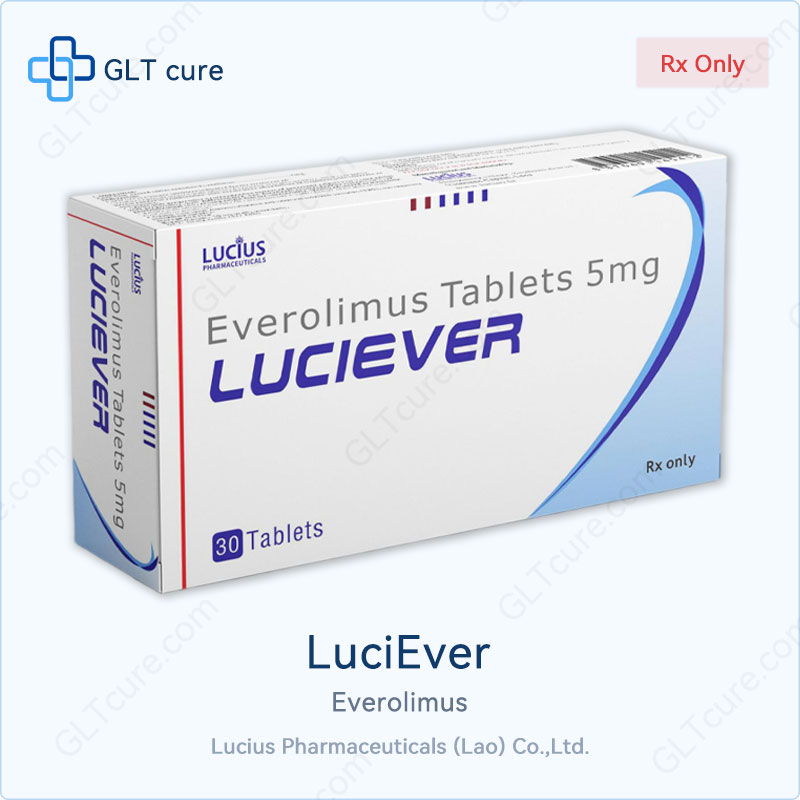
LuciEver (Everolimus) 5mg/10mg Tablets | Laos Generic mTOR Inhibitor | GLT
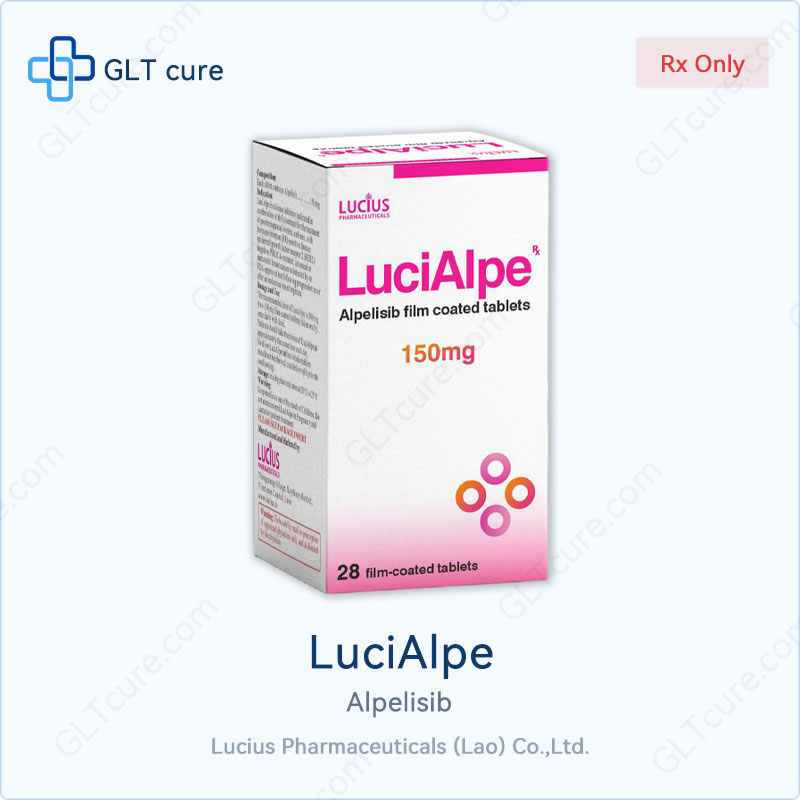
LuciAlpe (Alpelisib) 150mg 28 Tablets | Lucius Laos Generic | GLT

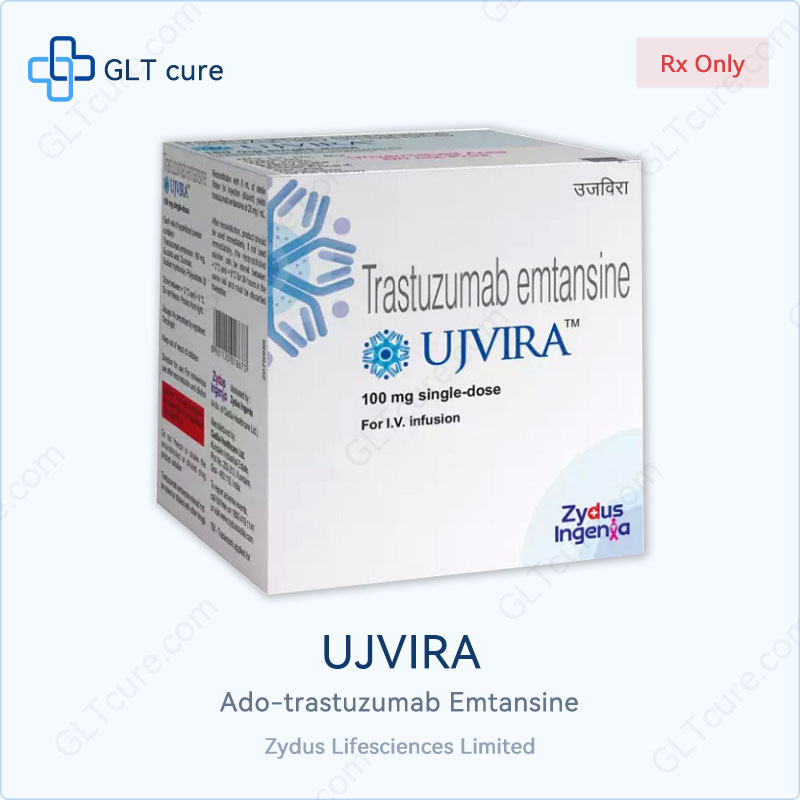
UJVIRA Ado-trastuzumab Emtansine (T-DM1) 100/160mg | Zydus India Biosimilar | GLT

Afinitor (Everolimus) 2.5mg/5mg/10mg Tablets | mTOR Inhibitor | GLT
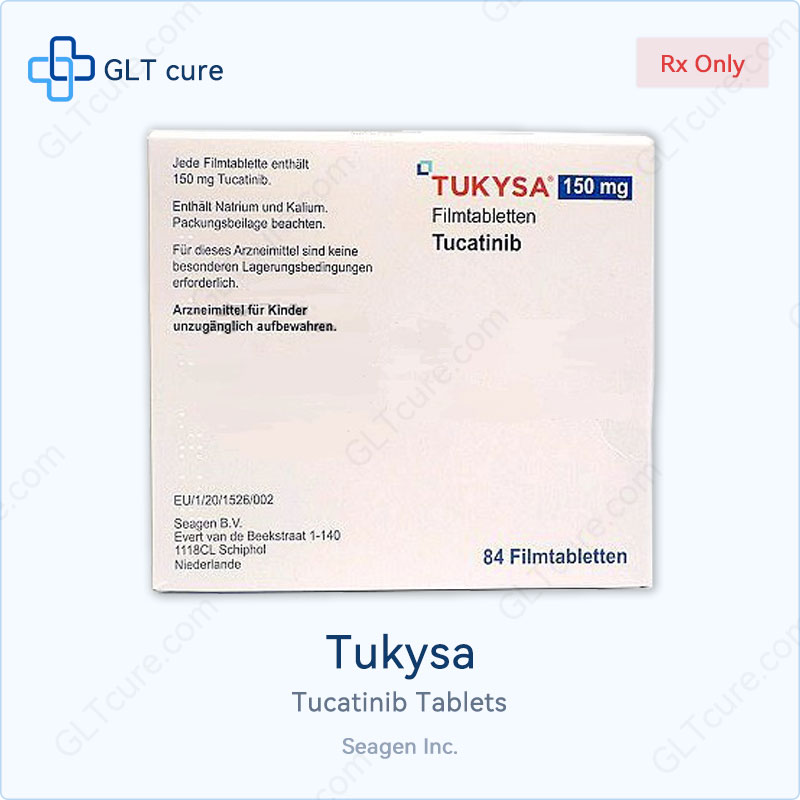
Tucatinib (Tukysa) — HER2-Positive Breast Cancer | GLT