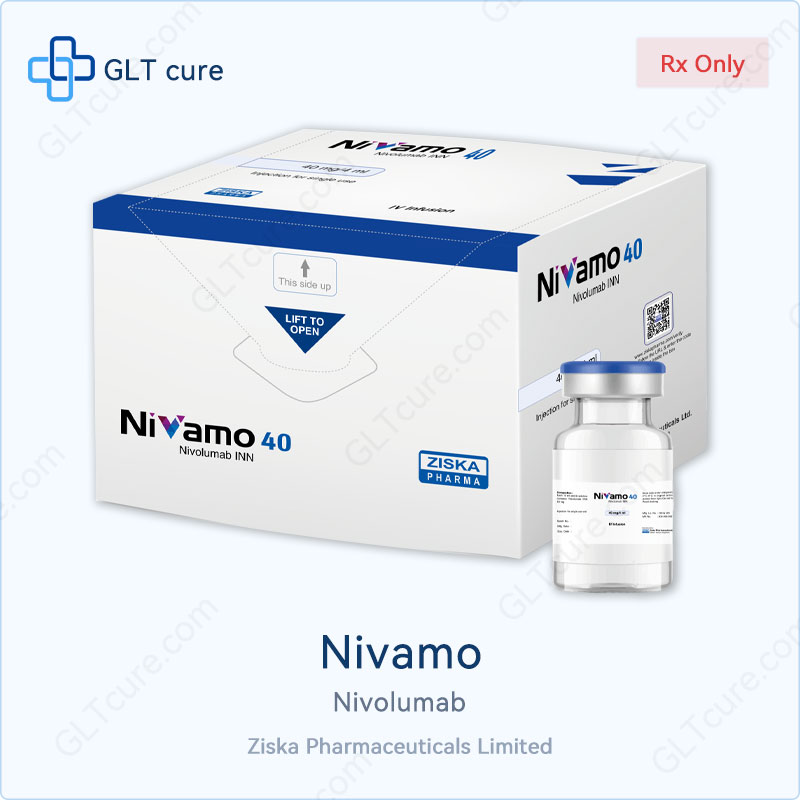
Nivolumab (Nivamo) 40mg/4mL | Ziska Bangladesh Biosimilar | GLT
For individuals and institutions — pricing, availability, and product documents (COA) provided within 24 hours.
Direct line: [email protected] · +86 15234153837
Generic Information: Nivamo (Bangladesh)
Nivamo is a Bangladesh-market brand of nivolumab manufactured by Ziska Pharmaceuticals Limited, a Bangladeshi pharmaceutical company. This presentation comes as a single-dose vial of 40 mg/4 mL (10 mg/mL) for intravenous infusion. Nivamo is a biosimilar of the originator PD-1 inhibitor Opdivo, offering patients a lower-cost option for immune-checkpoint cancer therapy.
What Is Nivolumab (Nivamo) Used For?
Nivolumab is approved for a broad range of cancers because it acts on the immune system rather than a single tumour type. Its indications include melanoma, non-small cell lung cancer, renal cell carcinoma, classical Hodgkin lymphoma, squamous cell carcinoma of the head and neck, urothelial carcinoma, MSI-H/dMMR colorectal cancer, hepatocellular carcinoma, oesophageal cancer and gastric cancer. Nivamo is used in the same clinical settings as the originator product.
How Does Nivolumab Work?
Nivolumab is a monoclonal antibody that binds the PD-1 receptor on T cells. PD-1 is an immune checkpoint that tumours exploit through the ligands PD-L1 and PD-L2 to switch off the anti-tumour immune response. By blocking PD-1, nivolumab releases this brake and restores the T cells' ability to recognise and destroy cancer cells, which is why the same medicine works across many different tumour types.
Indications
The approved indications cover melanoma, non-small cell lung cancer, renal cell carcinoma, classical Hodgkin lymphoma, head and neck squamous cell carcinoma, urothelial carcinoma, MSI-H/dMMR colorectal cancer, hepatocellular carcinoma, oesophageal cancer and gastric cancer. Treatment should be supervised by an oncologist experienced in immunotherapy, with PD-L1 or MSI/MMR testing guiding use in several indications.
Dosage
Nivolumab is given by intravenous infusion over 30 minutes. The standard single-agent schedule is 240 mg every two weeks or 480 mg every four weeks, so a 40 mg/4 mL vial is typically combined to prepare the required dose. Combination regimens use different schedules by indication, and treatment continues until disease progression or unacceptable toxicity.
Side Effects
The most common side effects are fatigue, rash, musculoskeletal pain, diarrhoea, itching and nausea. Because nivolumab activates the immune system, it can also cause immune-mediated reactions affecting the lungs, colon, liver, endocrine glands, kidneys and skin. These require prompt recognition and may need corticosteroids or discontinuation. Patients should report new cough, diarrhoea, yellowing of the skin, unusual fatigue or skin changes without delay.
Storage
Nivamo is a refrigerated biologic that must be stored and handled by a healthcare facility. Vials are kept refrigerated and protected from light, and prepared by trained staff for intravenous infusion in a clinic or hospital setting.
Why Choose Nivamo Through GLT?
Nivamo provides overseas patients and institutions with a lower-cost nivolumab biosimilar from Ziska Pharmaceuticals, Bangladesh. GLT supports cold-chain logistics for this refrigerated biologic and ships from a Hong Kong-licensed facility, helping make immune-checkpoint cancer therapy more affordable over the course of treatment.
How to Order
To order Nivamo (nivolumab) from GLT, contact us on WhatsApp at +86 15234153837 or by email at [email protected]. We will confirm current availability, pricing and cold-chain delivery to your country, and we ship from a Hong Kong-licensed facility.
FAQ
Is Nivamo a generic or a biosimilar? Nivamo is a biosimilar of nivolumab, manufactured by Ziska Pharmaceuticals in Bangladesh. Because nivolumab is a biologic antibody, follow-on products are termed biosimilars rather than generics.
What vial strength is this? This presentation is a 40 mg/4 mL single-dose vial at 10 mg/mL.
How is nivolumab given? By intravenous infusion over 30 minutes, typically 240 mg every two weeks or 480 mg every four weeks.
Related Oncology Products
KeZeRui 科瑞泽 (Avatrombopag) 20mg*10 Tablets | Sichuan Kelun China | GLT
Avabopa (Avatrombopag) 20mg*30 Tablets | Tongmeng TLPH Laos | GLT
Mounjaro KwikPen (Tirzepatide) 10–60mg/2.4mL Multi-Dose | Eli Lilly USA | GLT
Tirzema (Tirzepatide) 2.5/5/7.5mg/0.5mL Single-Dose Pen | Incepta Bangladesh | GLT
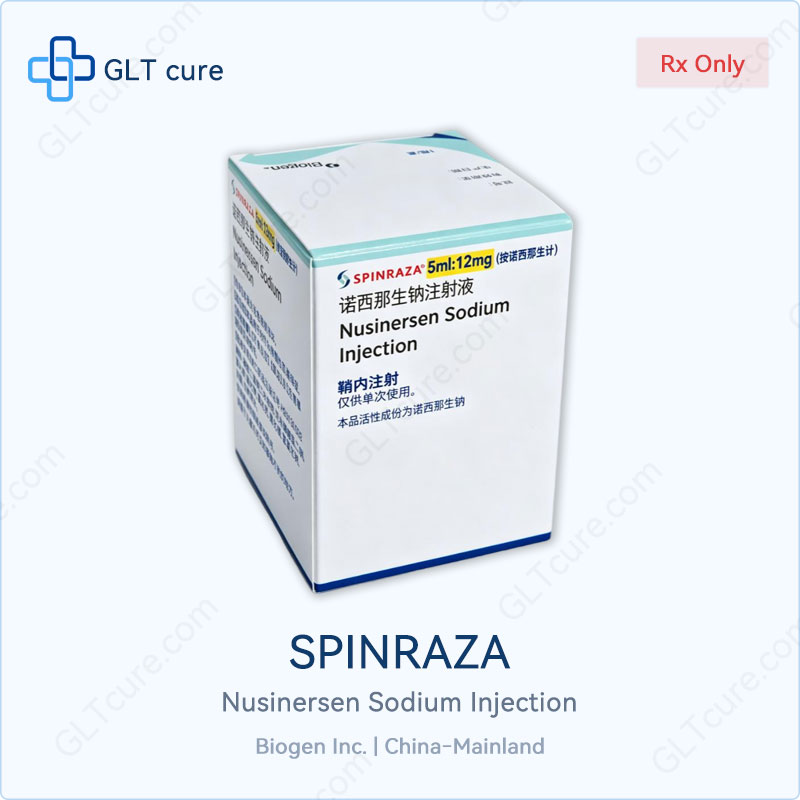
SPINRAZA (Nusinersen) 12mg/5mL | Buy from China | SMA Therapy | GLT
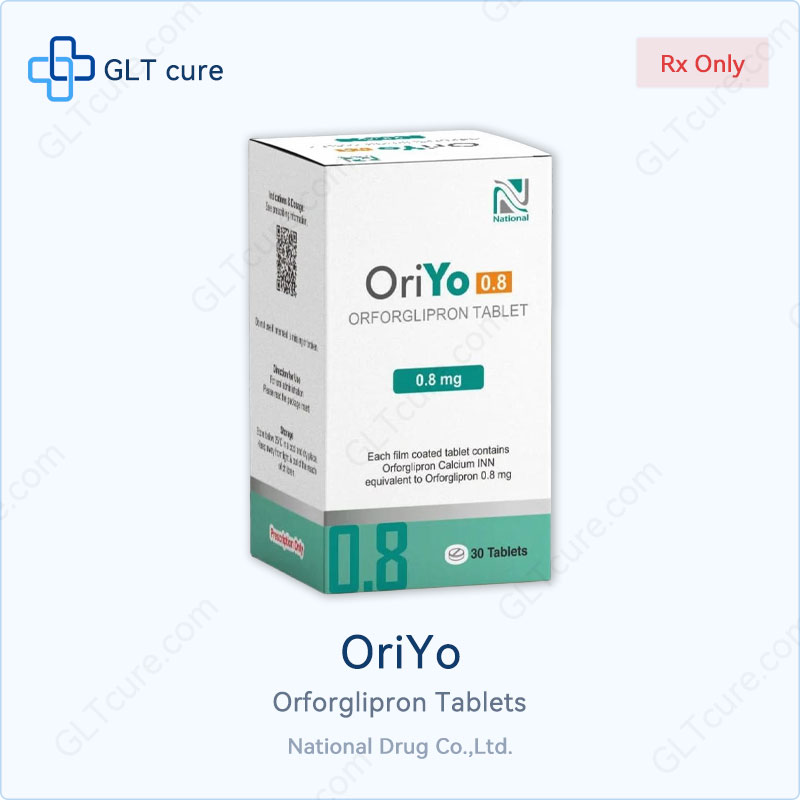
Orforglipron (OriYo) 0.8–17.2mg Tablets | Bangladesh Generic Oral GLP-1 | GLT
XinKePing 欣可平 (Avatrombopag) 20mg*10 Tablets | Nanjing Hencer China | GLT