
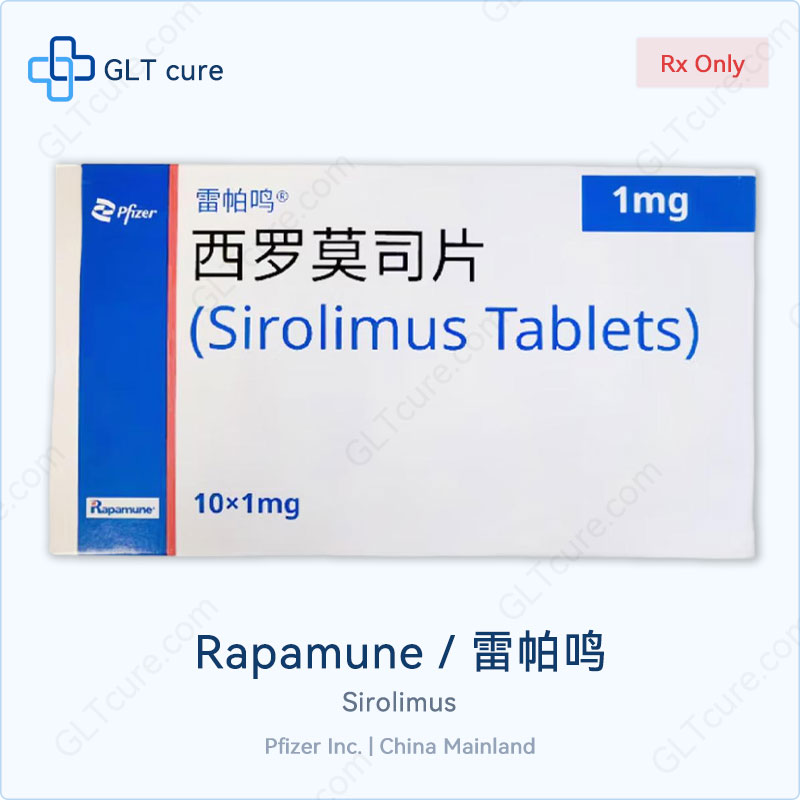
Rapamune (Sirolimus) 1mg Tablets | mTOR Inhibitor | GLT
For individuals and institutions — pricing, availability, and product documents (COA) provided within 24 hours.
Direct line: [email protected] · +86 15234153837
Generic Information: Rapamune (Sirolimus) — Pfizer Originator Tablet
Sirolimus is the active ingredient of Rapamune, the originator mTOR inhibitor first developed by Wyeth and now marketed by Pfizer. This page covers the 1 mg tablet presentation, supplied in a 10-tablet pack and registered in China under the Chinese brand name 雷帕鸣. Sirolimus was isolated from a soil bacterium on Easter Island and approved by the U.S. FDA in 1999 for the prevention of organ rejection after kidney transplantation, making it the founding member of the mTOR inhibitor class that later expanded into oncology. The 1 mg tablet is the workhorse dose for maintenance immunosuppression and is taken once daily with therapeutic drug monitoring.
What Is Rapamune (Sirolimus) Used For?
Rapamune is approved for two principal uses. The first is the prevention of organ rejection in adult kidney transplant recipients at low to moderate immunological risk, used initially with ciclosporin and corticosteroids. The second is the treatment of sporadic lymphangioleiomyomatosis (S-LAM), a rare progressive lung disease affecting mainly women of childbearing age, in patients with moderate lung disease or declining lung function. In S-LAM, the mTOR pathway is overactive, driving the excessive cell growth that damages the lungs, and sirolimus directly counteracts this.
How Does Rapamune (Sirolimus) Work?
Sirolimus binds to the intracellular protein FKBP-12 to form a complex that inhibits mTOR (mammalian target of rapamycin). Because mTOR is required for the proliferation of activated T-lymphocytes — the white blood cells that attack a transplanted organ — blocking it reduces the immune response and lowers the risk of rejection. The same mechanism is relevant in LAM, where overactive mTOR signaling drives the abnormal smooth-muscle cell proliferation that progressively damages the lungs. Sirolimus thus serves both as an immunosuppressant and, in the right setting, as a targeted therapy for mTOR-driven disease.
Indications
Rapamune is indicated for: (1) the prophylaxis of organ rejection in adult patients at low to moderate immunological risk receiving a kidney transplant, initially in combination with ciclosporin microemulsion and corticosteroids; and (2) the treatment of sporadic lymphangioleiomyomatosis with moderate lung disease or declining lung function.
Dosage
For prevention of organ rejection, the usual regimen is a 6 mg oral loading dose given as soon as possible after transplantation, followed by 2 mg once daily. The dose is then individualized to achieve whole-blood trough levels of 4–12 ng/mL. For S-LAM, the starting dose is 2 mg once daily, adjusted after 10–20 days based on blood levels. The tablet should be taken at the same time each day, consistently with or without food, and must not be crushed or chewed. Because dosing depends on blood concentration, therapeutic drug monitoring is essential throughout treatment.
Side Effects
Common adverse reactions include peripheral edema, hyperlipidemia, hypertension, and impaired wound healing. Sirolimus can also cause stomatitis, diarrhea, and myelosuppression, and increases the risk of infections due to immunosuppression. More serious but less common events include interstitial lung disease, proteinuria, and delayed graft function. Patients require regular monitoring of blood counts, kidney function, and lipid levels during treatment.
Storage
Store Rapamune tablets in the original packaging, protected from light and moisture. The oral solution, when used, should be refrigerated. Keep out of reach of children and do not use beyond the expiry date.
Why Choose the GLT?
The China-registered Rapamune is priced substantially lower than the United States list price for the same Pfizer molecule. In the United States, brand-name Rapamune carries a wholesale cost that can exceed several thousand dollars per month, while the China-sourced version is far more affordable — a difference that matters greatly for patients who must take lifelong immunosuppression. As a Hong Kong-licensed supplier, GLT provides authentic Pfizer Rapamune with full batch documentation, giving institutions and patients a dependable, cost-effective route to the originator sirolimus.
How to Order Rapamune (Sirolimus)
To order Rapamune, contact our team on WhatsApp at +86 15234153837 or by email at [email protected]. Please share the required strength (1 mg tablets), quantity, and destination country so we can confirm current availability, documentation, and delivery terms.
FAQ
Is Rapamune the same as sirolimus? Yes. Rapamune is the originator brand of sirolimus, developed by Wyeth and now marketed by Pfizer, and sold in China as 雷帕鸣.
What is Rapamune used for? It prevents organ rejection after kidney transplantation and treats sporadic lymphangioleiomyomatosis (S-LAM), a rare lung disease.
Does Rapamune require blood monitoring? Yes. Sirolimus dosing is adjusted based on whole-blood trough levels, so therapeutic drug monitoring is essential.
How should Rapamune be taken? It is taken once daily at the same time, consistently with or without food, and must not be crushed or chewed.
Related Oncology Products

Barinib (Baricitinib) 2mg | Generic JAK1/JAK2 Inhibitor | Drug International Limited | GLT
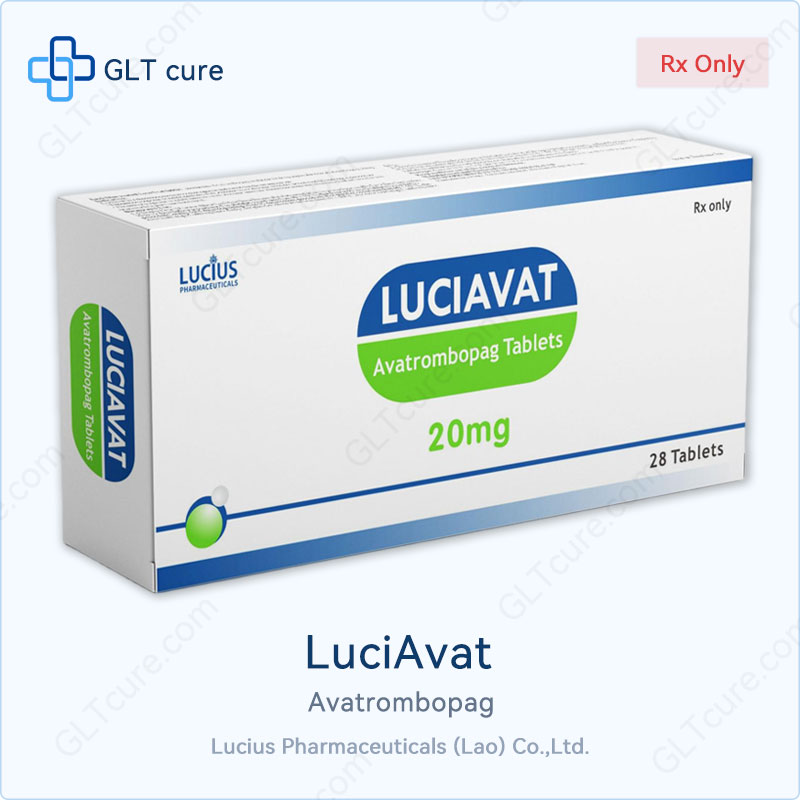
LuciAvat (Avatrombopag) 20mg*28 Tablets | Lucius Pharmaceuticals Laos | GLT
Baricent (Baricitinib) 2mg | Generic JAK1/JAK2 Inhibitor | Incepta Pharmaceuticals Ltd. | GLT
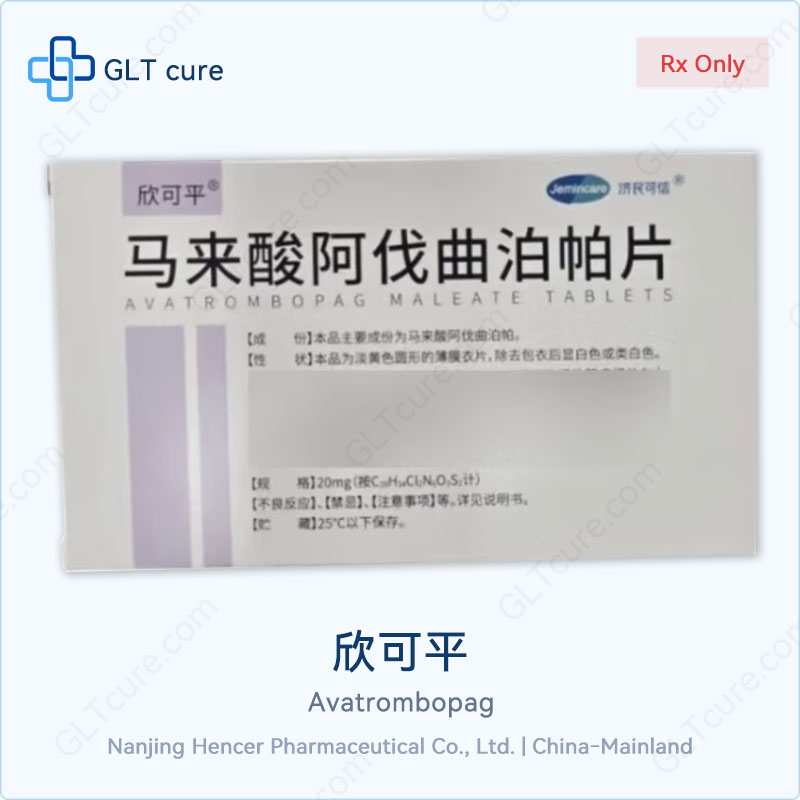
XinKePing 欣可平 (Avatrombopag) 20mg*10 Tablets | Nanjing Hencer China | GLT
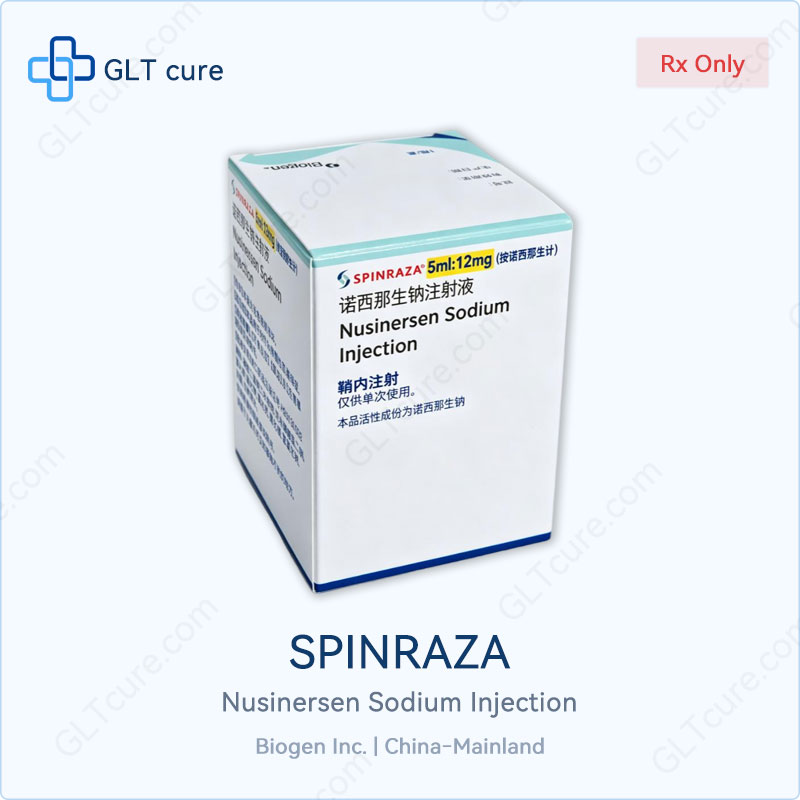
SPINRAZA (Nusinersen) 12mg/5mL | Buy from China | SMA Therapy | GLT
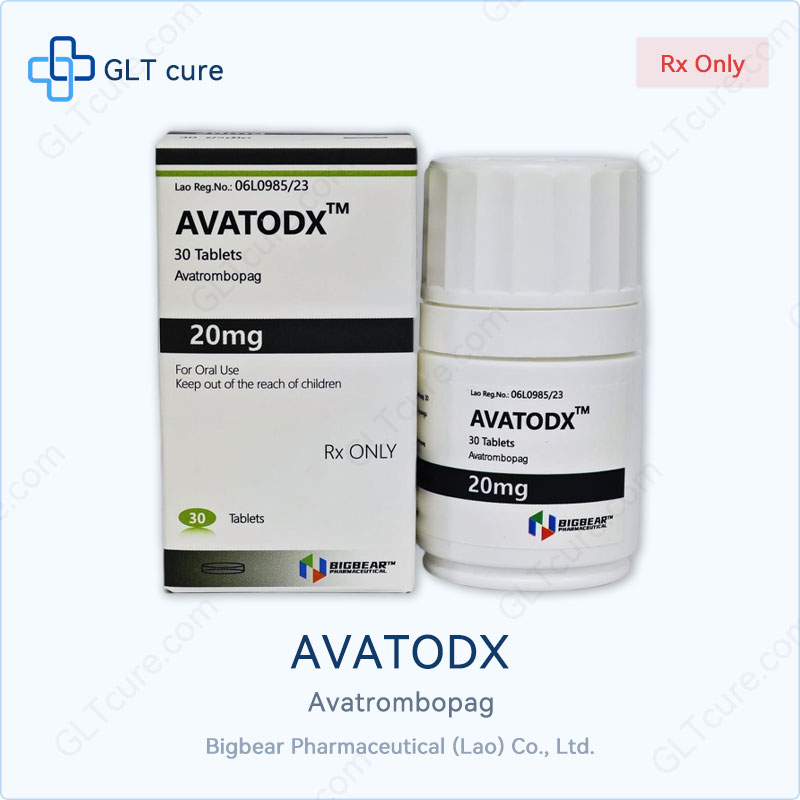
AVATODX (Avatrombopag) 20mg*30 Tablets | Bigbear Pharmaceutical Laos | GLT
Barinat (Baricitinib) 4mg | Generic JAK1/JAK2 Inhibitor | Natco Pharma Limited | GLT