

Opzelura Ruxolitinib 1.5% Cream 60g/100g | Vitiligo & Eczema | GLT
Tap "Request a Quote" to open WhatsApp — the product details are already filled in. Just add your quantity and destination country.
- We reply within 24 hours with pricing, availability & COA
- Serves individuals and institutions worldwide
Prefer email? [email protected] · +86 15234153837
Opzelura is Incyte's brand of topical ruxolitinib, a JAK1/JAK2 inhibitor approved in the United States for nonsegmental vitiligo in patients aged 12 and older and for mild-to-moderate atopic dermatitis in patients aged 2 and older. It is supplied as a 1.5% cream in 60g and 100g tubes, and this listing covers the US-market pack.
What the US label covers
The vitiligo indication covers nonsegmental disease in adults and children from 12 years, including patches on the face. The eczema indication is for short-term and non-continuous chronic use in non-immunocompromised patients from 2 years whose disease is not adequately controlled by other topical prescription therapies. The label advises against combining it with therapeutic biologics, other JAK inhibitors, or strong immunosuppressants such as azathioprine or cyclosporine.
Why a topical JAK inhibitor is a different route
Ruxolitinib blocks JAK1 and JAK2 signalling, the pathway that carries interferon-gamma driven inflammation into the skin. In vitiligo this is thought to interrupt the immune attack on melanocytes, giving pigment cells room to recover; in eczema it damps the itch-inflammation loop that damages the skin barrier. Because the cream is applied to the lesion itself, systemic exposure stays low compared with oral JAK therapy.
How it is applied
A thin layer goes on the affected skin twice daily, at least eight hours apart. The treated area should not exceed 10% of body surface area for vitiligo or 20% for atopic dermatitis, and hands are washed after application unless the hands are being treated.
- US-market 1.5% cream in 60g and 100g tubes
- Vitiligo from age 12, eczema from age 2
- Twice-daily application with an eight-hour gap
- Vitiligo use limited to 10% of body surface area
- Eczema use limited to 20% of body surface area
- Store at controlled room temperature, out of reach of children
What the first year can look like
Repigmentation is slow and patchy. In the two pivotal vitiligo trials, about 30% of participants reached 75% improvement on the facial assessment at 24 weeks, and responses kept building through 52 weeks. Eczema itch usually settles sooner than pigment returns, which matters when judging whether to continue.
Safety points patients ask about
Topical ruxolitinib carries the JAK class boxed warning covering serious infections, mortality, malignancy, major cardiovascular events and thrombosis, even though absorption from the cream is limited. The most common effects in vitiligo are application-site acne and itch, nasopharyngitis and headache. An active serious infection means stopping and speaking to the prescriber.
Related Oncology Products
Baricent (Baricitinib) 2mg | Generic JAK1/JAK2 Inhibitor | Incepta Pharmaceuticals Ltd. | GLT
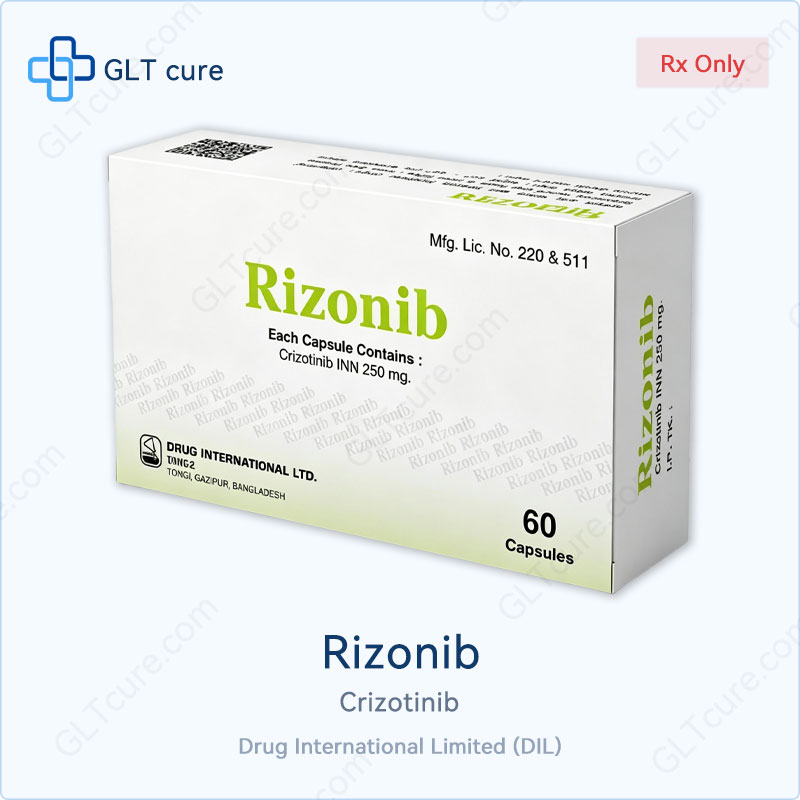
Rizonib (Crizotinib) 250mg Capsules | DIL Bangladesh Generic Xalkori for ALK+ NSCLC | GLT

SPINRAZA (Nusinersen) 12mg/5mL | Buy from China | SMA Therapy | GLT

Eltrombopag (Promacta) 25mg/50mg Tablets | US Originator TPO-R Agonist | GLT
Barinib (Baricitinib) 2mg | Generic JAK1/JAK2 Inhibitor | Drug International Limited | GLT
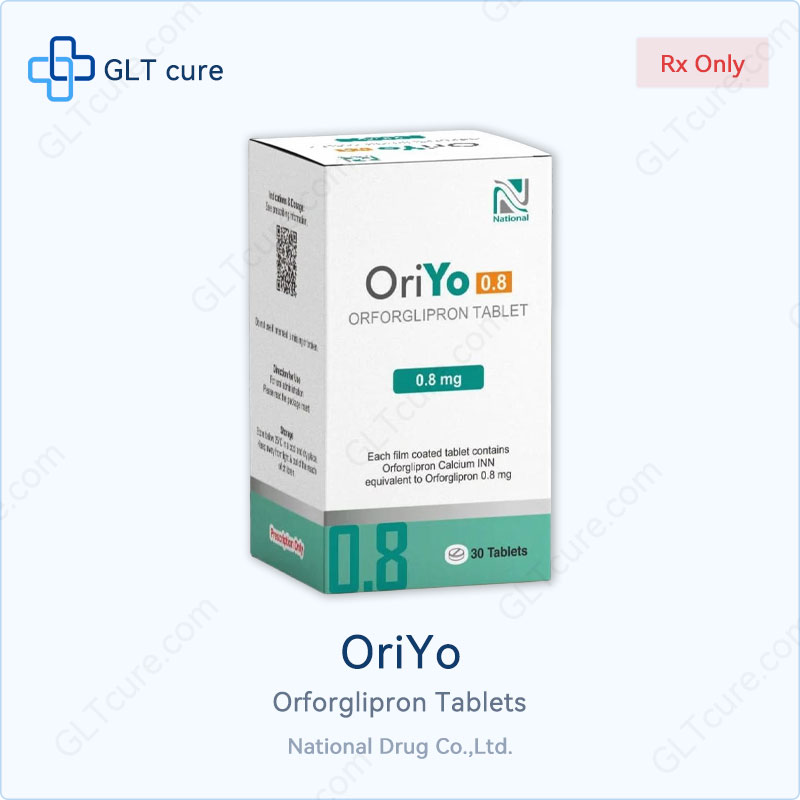
Orforglipron (OriYo) 0.8–17.2mg Tablets | Bangladesh Generic Oral GLP-1 | GLT

Orforglipron (LuciOrfor) 0.8–17.2mg Tablets | Laos Generic Oral GLP-1 | GLT